Hvem giftet seg med Gastão de Orléans, Conde d'Eu?
Isabel, Princess Imperial of Brazil gift Gastão de Orléans, Conde d'Eu den . Prince Gaston, Count of Eu var 22 år gammel på bryllupsdagen (22 år, 5 måneder og 17 dager). Isabel, Princess Imperial of Brazil var 18 år gammel på bryllupsdagen (18 år, 2 måneder og 16 dager). Aldersforskjellen var 4 år, 3 måneder og 1 dager.
Ekteskapet varte i 57 år, 0 måneder og 30 dager (20848 dager). Ekteskapet ble avsluttet .
Gastão de Orléans, Conde d'Eu: Tidslinje for ekteskapsstatus
1 Pixel = 1 Month

Gastão de Orléans, Conde d'Eu
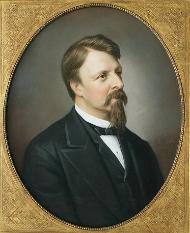
Gastão de Orléans, Conde d'Eu (em francês: Louis Philippe Marie Ferdinand Gaston d'Orléans; Neuilly-sur-Seine, 28 de abril de 1842 — Oceano Atlântico, 28 de agosto de 1922), foi um príncipe e militar francês, casado com a herdeira do trono brasileiro, a Princesa Isabel. Era o filho mais velho do príncipe Luís de Orléans, Duque de Némours e da princesa Vitória de Saxe-Coburgo-Koháry, e portanto, membro da Casa de Orléans, como neto do rei Luís Filipe I da França. Foi capitão de cavalaria na Guerra Hispano-Marroquina e comandante-chefe do exército imperial durante a Guerra do Paraguai.
Com a queda da Monarquia de Julho, sua família foi banida da França e passou a viver no Palácio de Claremont, perto de Londres, cedido pela Rainha Vitória, prima de sua mãe. O Conde d’Eu estudou na Espanha, onde frequentou a Academia Militar de Segóvia. Participou da guerra contra os mouros de Marrocos, ganhando o posto de capitão de cavalaria e algumas medalhas.
Casou-se, em 1864, com a herdeira do trono brasileiro, a Princesa Isabel, com quem teve quatro filhos: Luiza Vitória, Pedro de Alcântara, Luiz e Antonio. Foi promovido a comandante geral de artilharia e presidente da comissão de melhoramentos do Exército, quando deu início à Guerra do Paraguai. Em 1869 foi nomeado para substituir o Duque de Caxias, na condição de comandante-chefe dos Exércitos Aliados – Brasil, Argentina e Uruguai. Com o fim do conflito, em 1870, o Conde d’Eu decretou, com a permissão do Imperador, o fim da escravidão no Paraguai.
Les mer...
Isabel, Princess Imperial of Brazil

Dona Isabel (29 July 1846 – 14 November 1921), called "the Redemptress", was the Princess Imperial (heiress presumptive to the throne) of the Empire of Brazil and the Empire's regent on three occasions. Born in Rio de Janeiro as the eldest daughter of Emperor Pedro II of Brazil and Empress Teresa Cristina, she was a member of the Brazilian branch of the House of Braganza (Portuguese: Bragança). After the deaths of her two brothers in infancy, she was recognized as her father's heiress presumptive. She married a French prince, Gaston, Count of Eu, in an arranged marriage and they had three sons.
During her father's absences abroad, Isabel acted as regent. In her third and final regency, she actively promoted and ultimately signed a law, named Lei Áurea or the Golden Law, emancipating all slaves in Brazil. Even though the action was broadly popular, there was strong opposition to her succession to the throne. Her gender, strong Catholic faith, and marriage to a foreigner were seen as impediments against her, and the emancipation of the slaves generated dislike among powerful planters. In 1889, her family was deposed in a military coup, and she spent the last 30 years of her life in exile in France.
Les mer...